StrikeWatch EA
Research Lab:
Options Analytics Guides for MetaTrader 5 Traders

Institutional options analytics — explained from first principles.
Understand the mechanics behind GEX, Max Pain, Volatility, and Smart Money flows.

Options Analytics Guides – Page 5

48 articles
Tail Risk Hedging with Index Options: Using ZGL, Max Pain and Volatility Regimes in StrikeWatch

Tail Risk Hedging with Index Options: Using ZGL, Max Pain and Volatility Regimes in StrikeWatch

Most portfolios are built for average days. Tail risk hedging is about surviving the worst days. By combining SPX/NDX index puts and put spreads with volatility-linked overlays, and by using ZGL, GEX, Max Pain and volatility regimes in StrikeWatch to time entries, you can build protection that meaningfully reduces drawdowns without permanently destroying returns.

Margin and Buying Power in Options Trading: How to Size Positions Around GEX and Volume Floors

Margin and Buying Power in Options Trading: How to Size Positions Around GEX and Volume Floors

Most options blow-ups don't happen because the thesis was wrong — they happen because margin ran out first. Understanding how Reg-T and portfolio margin accounts compute buying power, how naked options, spreads and stock interact on the risk engine, and how to position around GEX regimes and volume floors lets you size trades so that adverse moves are survivable instead of terminal.

Portfolio-Level Greeks in StrikeWatch EA: Managing Delta, Gamma, Theta and Vega Across Your Book

Portfolio-Level Greeks in StrikeWatch EA: Managing Delta, Gamma, Theta and Vega Across Your Book

Single-position Greeks are good for understanding a trade. Portfolio-level Greeks are how professionals manage a business. By summing delta, gamma, theta and vega across underlyings and expirations, then steering those exposures with the help of GEX, ZGL and per-strike Greeks, you can turn a random collection of trades into a deliberate, risk-controlled options portfolio.

Options Order Types and Execution Strategy for MT5: Using StrikeWatch to Avoid Slippage

Options Order Types and Execution Strategy for MT5: Using StrikeWatch to Avoid Slippage

In options trading, your edge lives or dies at the bid-ask spread. The difference between a clean limit fill at a deep-liquidity node and a desperate market order into a vacuum can be the entire year's P&L. Understanding order types, time-in-force instructions, and how to anchor execution to GEX levels, Max Pain magnets and volume floors is what turns a good idea into a good trade.

Dark Liquidity and Market Microstructure: How Hidden Order Flow Moves Price

Dark Liquidity and Market Microstructure: How Hidden Order Flow Moves Price

Over 40% of US equity volume now executes in dark pools — venues where orders are invisible until after execution. Understanding how this hidden liquidity interacts with displayed markets is no longer optional for serious traders. It is the difference between seeing the market and seeing through it.

Insider Flow Tracking: How to Read C-Suite Transactions and Short Interest Signals

Insider Flow Tracking: How to Read C-Suite Transactions and Short Interest Signals

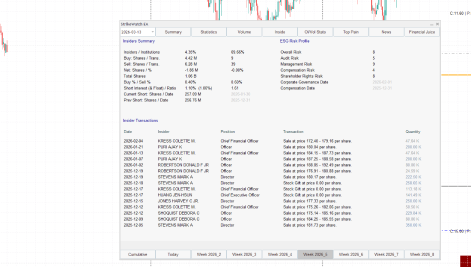
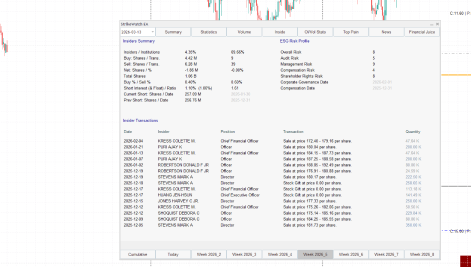
SEC Form 4 filings and short interest data are among the most reliable leading indicators available to retail traders. Learn how to decode C-suite conviction, detect short squeeze setups, and filter governance red flags — all without leaving MetaTrader 5.

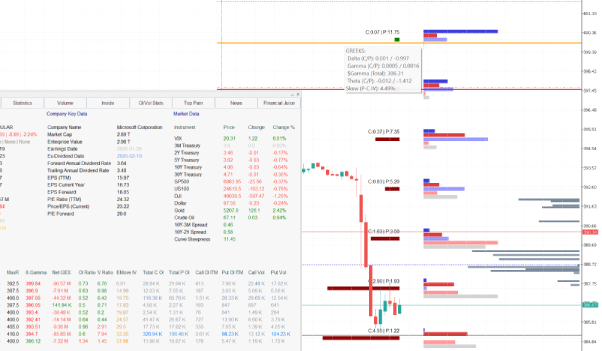
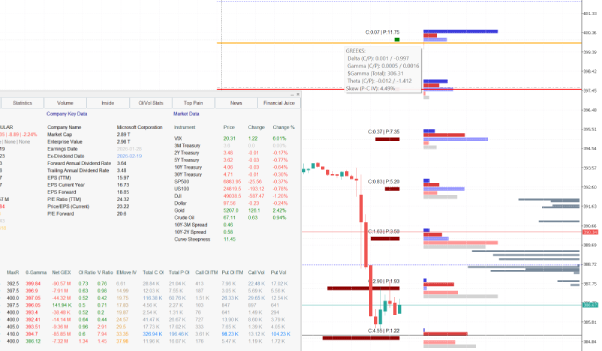
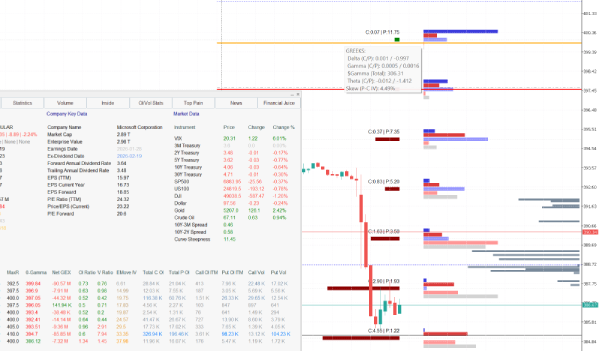
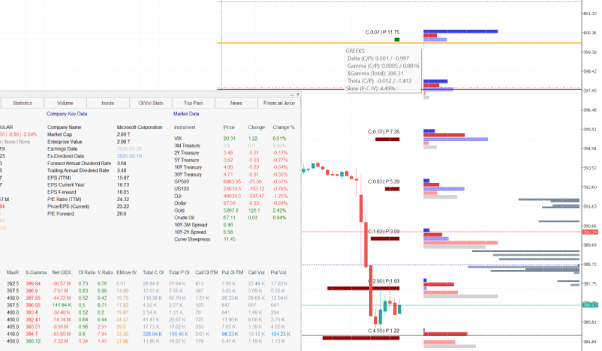
MSFT Institutional Flow: The $380 Floor and March Gamma Squeeze Setup

MSFT Institutional Flow: The $380 Floor and March Gamma Squeeze Setup

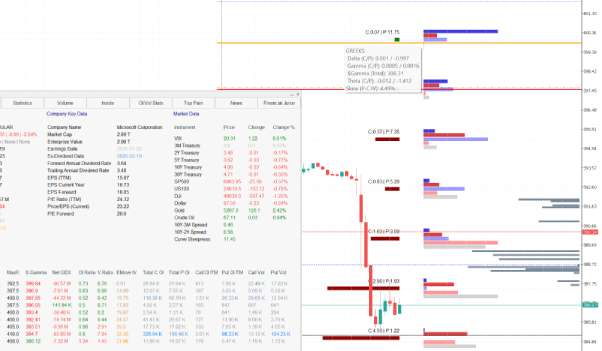
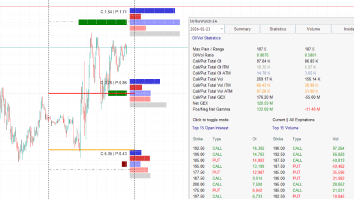
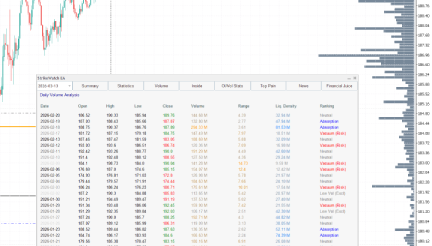
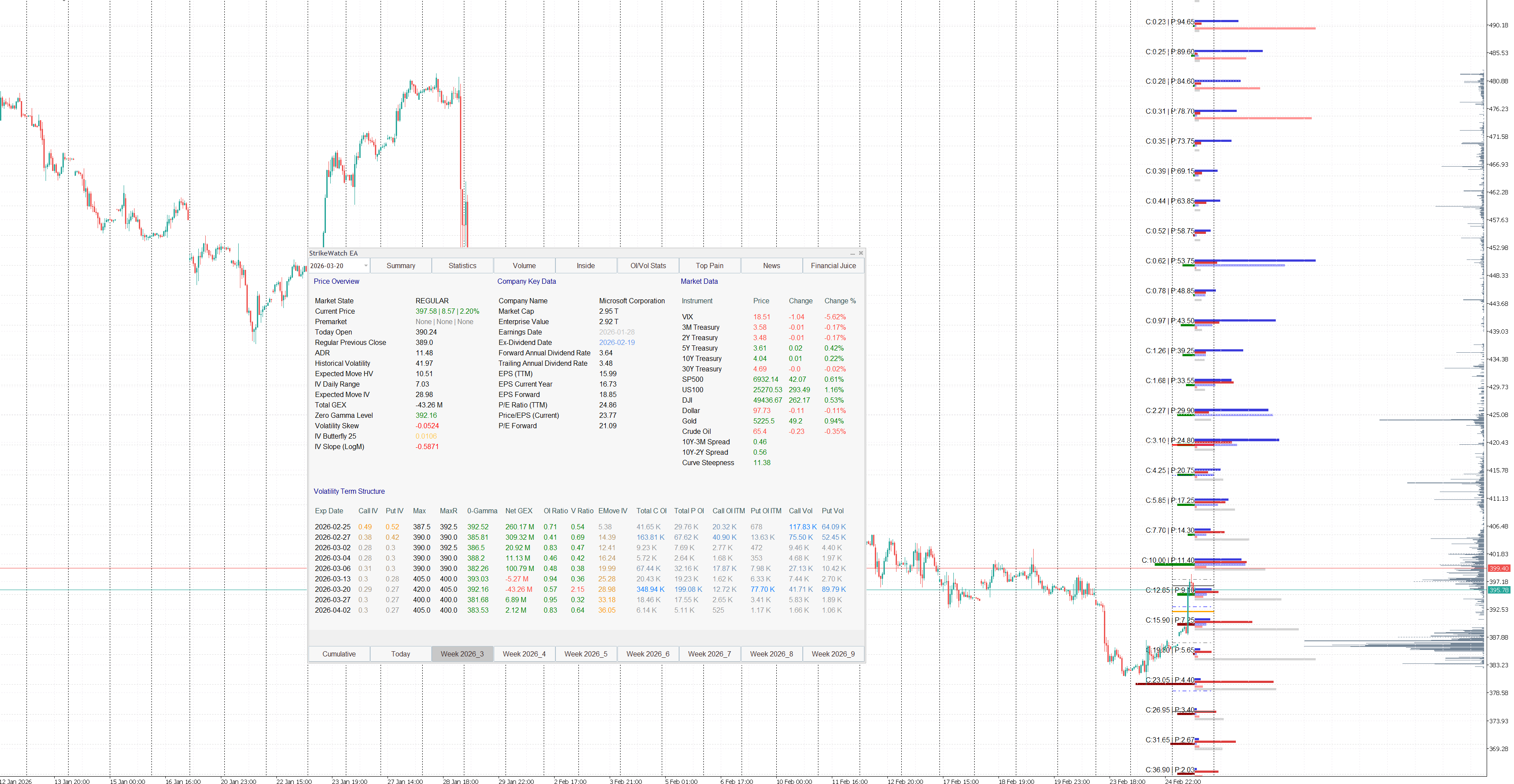
Microsoft has established a solid volume floor at $380-$390, accompanied by elevated daily volume. With 350k calls loaded for March 20th, a heavily skewed ITM put structure, and a $420 Max Pain target, we analyze the mechanics behind a potential volatility expansion.

Kamil Dzyr — Chief Analyst, StrikeWatch EA
LEAPS Options Explained: How to Use Long-Term Options for Leverage, Hedging, and the Poor Man's Covered Call

LEAPS Options Explained: How to Use Long-Term Options for Leverage, Hedging, and the Poor Man's Covered Call

Most options expire within weeks or months. LEAPS don’t. With expiration dates stretching one to three years into the future, LEAPS give you long-term market exposure at a fraction of the cost of owning shares — while keeping your risk defined to the premium paid. They are the bridge between short-term options speculation and traditional buy-and-hold investing.

Options Risk Management: Position Sizing, Loss Controls, and Portfolio Protection

Options Risk Management: Position Sizing, Loss Controls, and Portfolio Protection

Every blown options account has the same story: the trader found a strategy that worked, started sizing up, hit a losing streak, and doubled down to recover. The strategy was fine. The risk management was not. The uncomfortable truth is that position sizing and loss controls determine more of your long-term P&L than strategy selection, strike picks, or market timing combined. Here is the framework professionals use to stay in the game.

Fullscreen view